
The Challenge
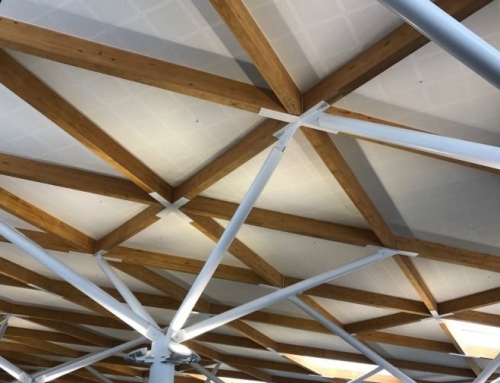
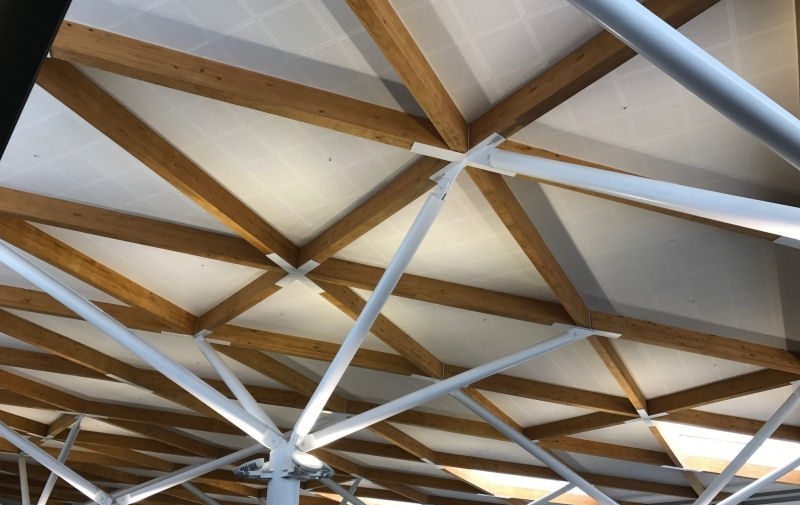
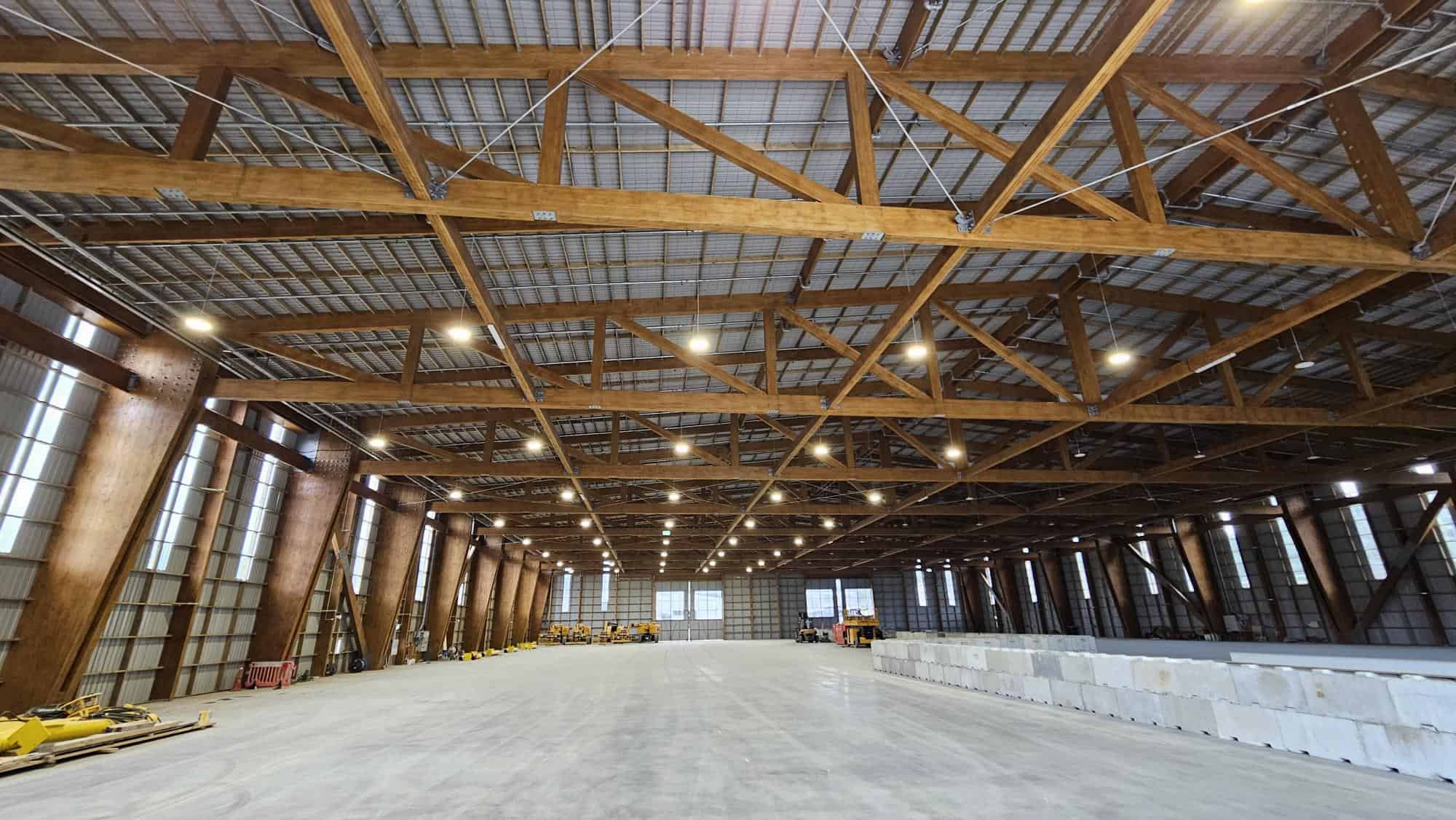
Mass timber has proven its structural capability across a wide range of building typologies. However, for large-span industrial buildings, cost competitiveness with steel remains a critical barrier to wider adoption. Following the delivery of the Red Stag Dry Store, a 65m clear-span mass timber facility, Red Stag TimberLab (RSTL) gained valuable insight into both the potential and limitations of timber systems at industrial scale.
While the project successfully demonstrated technical feasibility, post-construction analysis showed the timber structure was approximately 19.3% more expensive than an equivalent steel portal frame (structure only). This highlighted a clear challenge: How can timber systems be optimised to compete directly with steel in large-span industrial applications without compromising performance?
Project Overview
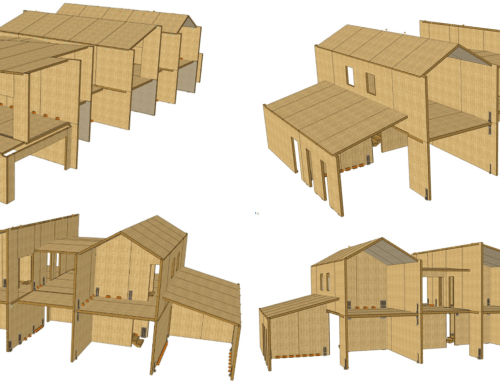
Project BigSpan is a targeted R&D initiative developed by RSTL to address this challenge through systematic structural optimisation. Building on lessons from the Red Stag Dry Store, the research moved beyond project-specific design to explore repeatable, scalable structural systems for industrial buildings.
The R&D process included:
- Evaluation of multiple steel/timber hybrid column and rafter typologies.
- Development of 12 structural system combinations.
- Detailed cost modelling and performance benchmarking.
This process led to the development of the BigSpan system; a hybrid structural solution combining:
- CLT webs for efficient, low-carbon material use.
- Steel flanges for structural efficiency at long spans.
- Composite behaviour enabled through engineered connection design.
The system is designed to integrate with conventional construction methodologies, while introducing meaningful improvements in environmental sustainability.
From Project to Innovation
RSTL led the full R&D programme from concept through to validation, applying both in-house expertise and external collaboration.
The Red Stag Dry Store played a critical role as a real-world testbed, providing:
- Structural performance data.
- Constructability insights.
- Verified cost benchmarks.
Building on this, RSTL:
- Developed and assessed multiple structural configurations through iterative design modelling.
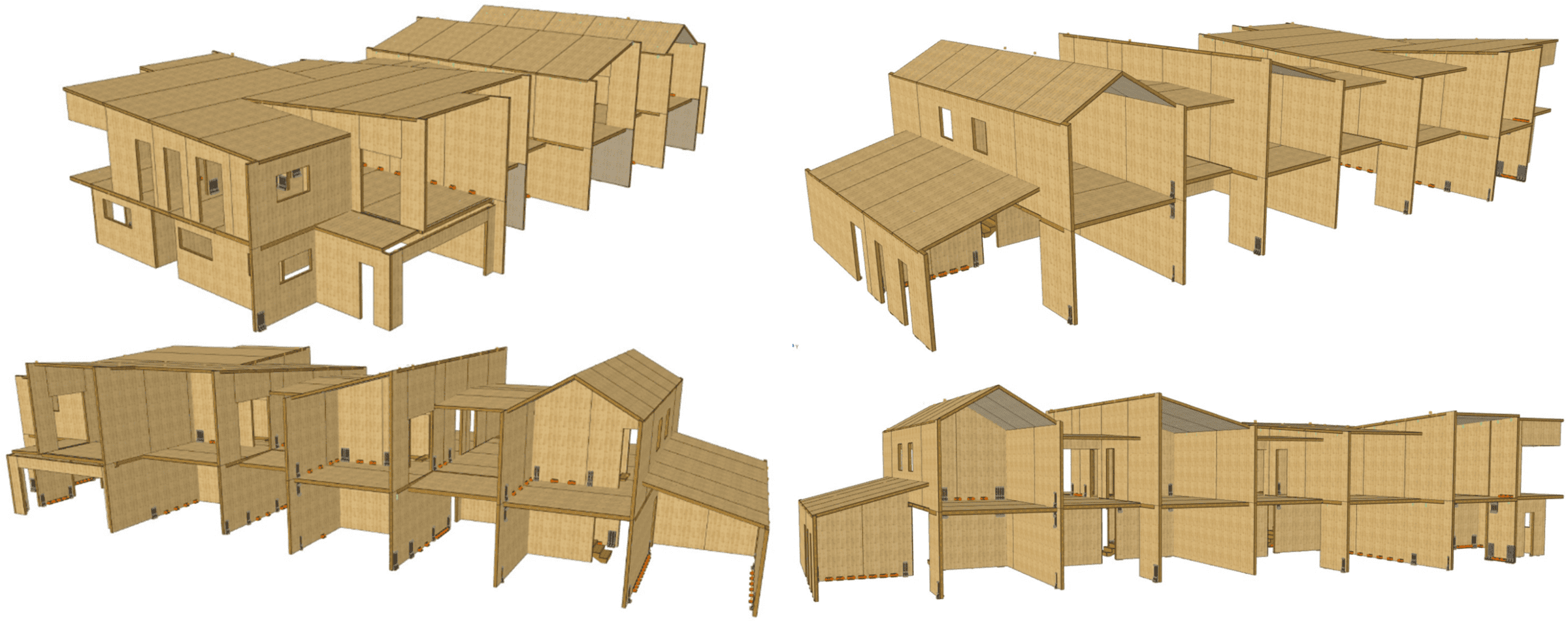
- Partnered with Create to undertake engineering analysis and finite element modelling.
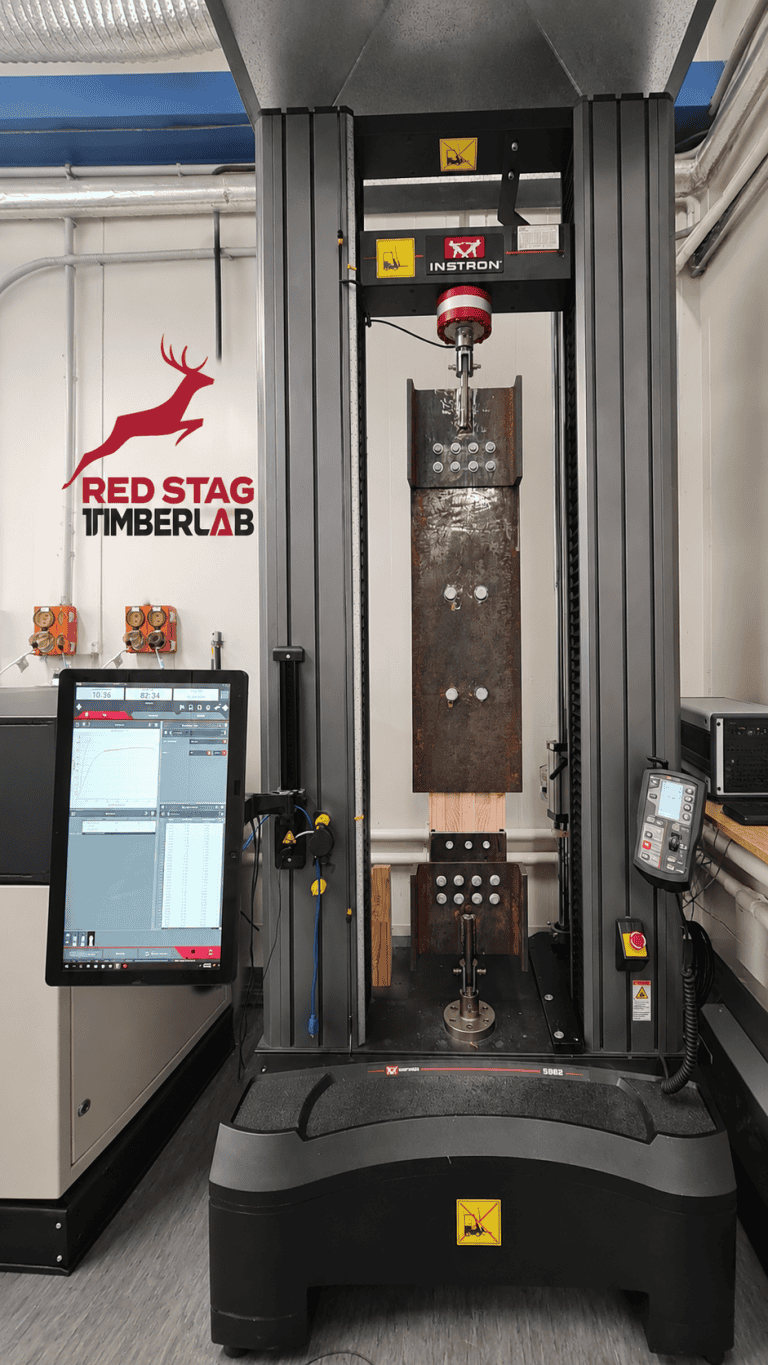
- Partnered with the University of Waikato to validate composite beam behaviour through laboratory testing.
Testing focused on the interaction between the CLT web and steel flange elements, confirming that the selected connection methodology achieved reliable composite performance.
Beyond Cost: Unlocking Carbon Advantage
While improving cost competitiveness was a primary objective, Project BigSpan also demonstrates the environmental benefits of optimised timber systems.
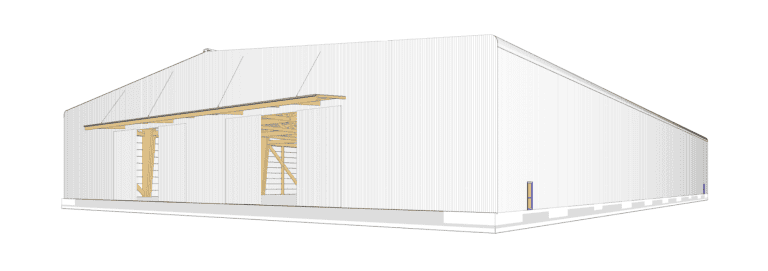
In a commercial warehouse application study, the hybrid system achieved a reduction of approximately 68% (~651 tonne) in embodied CO₂e compared to a conventional steel portal solution (based on comparative cradle‑to‑gate analysis).
This creates new opportunities for project teams to:
- Reduce carbon impacts at the structural level while maintaining cost competitiveness.
- Support sustainability targets and reporting requirements.
Importantly, these outcomes show that improved carbon performance can be achieved alongside commercially viable structural solutions.
This positions BigSpan as a viable pathway for reducing emissions in a sector traditionally dominated by high-carbon-emitting materials.
Results
Project BigSpan demonstrates that engineered timber systems can be optimised to achieve both cost competitiveness and significant carbon reduction in large-span industrial buildings.
Key outcomes from the development and benchmarking study include:
- Up to ~21% reduction in structural frame cost compared to the original Red Stag Dry Store timber solution.
- Indicative cost parity with steel, with analysis showing the optimised system can be within a few percent of equivalent steel structures (structure only).
- Successful technical validation of a hybrid structural system suitable for commercial application.
These outcomes are summarised from a detailed R&D study, including cost modelling and structural benchmarking aligned with industry research. For further detail on assumptions and methodology, refer to the MIBO White Paper.
Pathway to Adoption
An important consideration in the development of BigSpan is how new structural systems are introduced into the market.
To support practical implementation, RSTL has adopted a staged approach to commercialisation. The initial “rafter-only” configuration enables the system to be incorporated into conventional steel portal frame designs.
This approach allows:
- Retention of familiar design and construction methodologies.
- Reduced complexity during the design and tendering phase.
- Flexibility for project teams to evaluate the system alongside conventional options.
By aligning with established workflows, BigSpan can be adopted incrementally, supporting confidence across designers, contractors, and developers.

Conclusion
The progression from the Red Stag Dry Store to Project BigSpan reflects RSTL’s approach to innovation:
- Using real projects to generate insight.
- Applying structured R&D to optimise performance.
- Translating learnings into scalable, market-ready solutions.
BigSpan demonstrates that low carbon timber solutions are not only technically viable for large-span industrial buildings, but can compete directly with steel on cost.
As development continues, this work supports a broader move towards standardised, cost-optimised timber systems, enabling wider adoption across the industrial building sector.
Contact the Red Stag TimberLab team to discuss how you can include mass timber in your upcoming project.
Email: info@redstag.co.nz
Stay informed on Red Stag TimberLab’s project progresses, technological advancements, and industry news by subscribing to our monthly newsletter.